
Accelerating Parkinson’s Research through Collaboration.
A collaborative hub for clinicians, researchers, and early-career scientists working together to accelerate Parkinson’s Disease research, foster innovation across Vienna, and bridge the gap between science and patient care.
About the PD Club
Connect Minds. Advance Research. Improve Lives.
The Parkinson’s Disease Club is a non-profit initiative based in Vienna that brings together researchers, clinicians, and early-career scientists to accelerate progress in Parkinson’s research. Through talks, journal clubs, and hands-on workshops, we foster collaboration across disciplines and institutions – bridging the gap between discovery and care to create real-world impact.
Learn more
Collaboration
We create space for real exchange: clinicians visit research labs, scientists gain insights into patient care, and both sides learn from each other’s practice – bridging the gap between lab bench and hospital bed.
Workshops & Seminars
Practical, hands-on learning opportunities focused on the skills that matter – writing successful grants, communicating science, and building a strong research career.
Journal Clubs
Focused, informal sessions where researchers at all levels explore current Parkinson’s studies and sharpen their critical thinking together.
Public engagement
We make Parkinson’s research accessible by sharing insights with patients, families, and the public — building trust and understanding between science and society.
About Parkinson’s Disease
Parkinson’s Disease: Clinical and Molecular Synopsis
Parkinson’s disease (PD) is the second most common neurodegenerative disorder, affecting millions worldwide. Its neuropathological hallmarks include dopaminergic neuron loss in the substantia nigra pars compacta and the formation of intracellular aggregates known as Lewy bodies (LBs). While cardinal motor symptoms such as bradykinesia, resting tremor, and rigidity define clinical diagnosis, PD is a systemic disorder with non-motor features, such as hyposmia, constipation, and REM sleep behavior disorder, that often precede motor onset by years. As the disease progresses, widespread neuronal involvement leads to cognitive decline, hallucinations, and dementia. A key breakthrough in PD research was the identification of α-synuclein (αS) as the major component of Lewy bodies, supported by genetic discoveries linking SNCA mutations and gene multiplications to familial and sporadic PD. Current evidence suggests αS toxicity arises from its abnormal association with lipid membranes, disrupting endo-lysosomal and mitochondrial pathways. αS’s role in presynaptic vesicle trafficking, combined with PD-associated genetic risk loci, underscores a central mechanism involving vesicle transport, lysosomal degradation, and mitochondrial dysfunction across vulnerable neuronal populations.
Learn more
Recently at our pd club
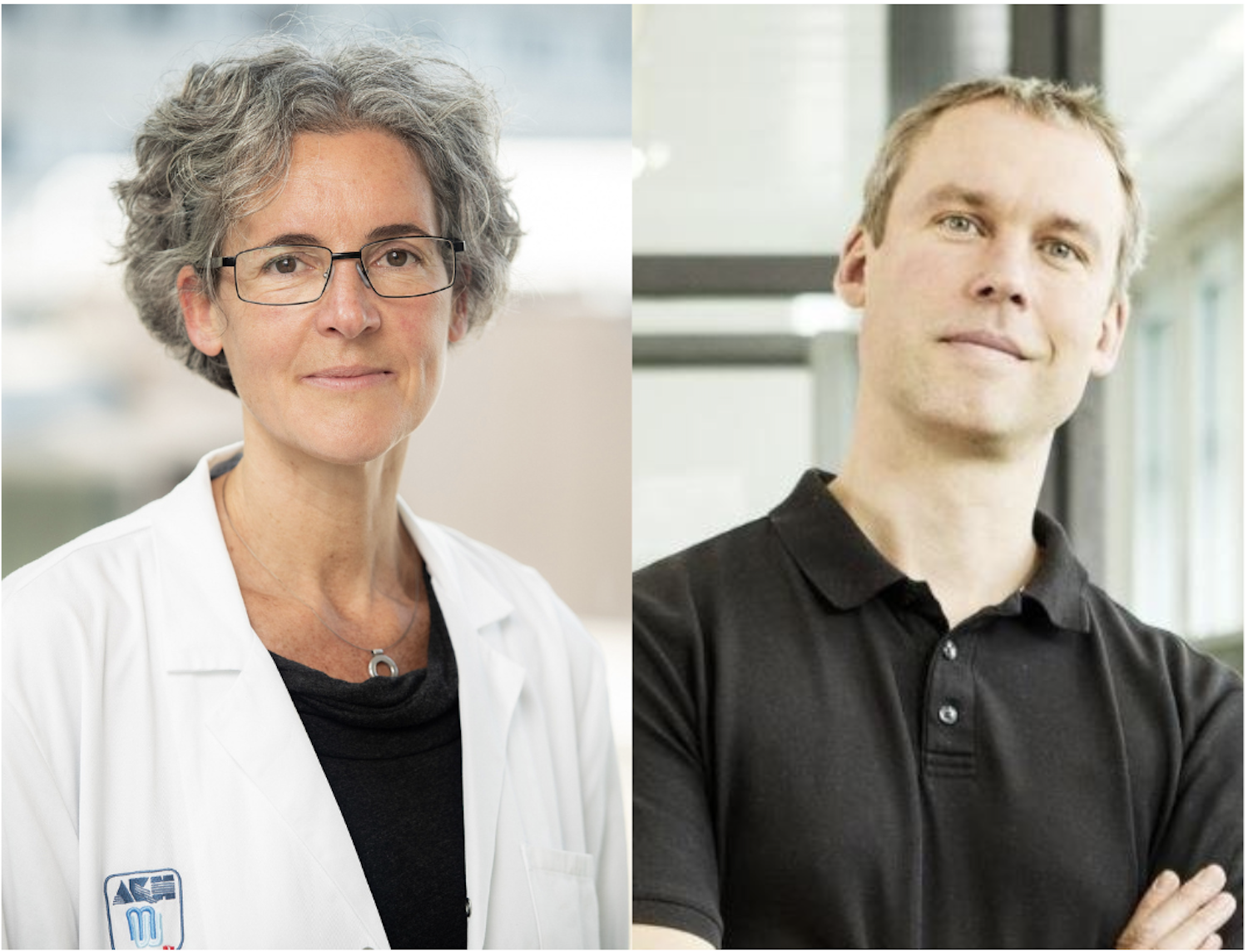
Exploring autophagy, pathology, and synucleinopathies in Parkinson’s – with insights from Sascha Martens and Ellen Gelpi.
More events
5+
Events
8+
Speakers
75+
Community
Partners
Supporting the Future of Parkinson’s Research


Newsletter
Stay updated on the latest in Parkinson’s research, events, and opportunities.
Subscribe for updates straight to your inbox.